Digital Legacy
Backing Up A Life Before The Storage Lapses
Cloud accounts delete inactive data on a schedule, and the family photographs of a generation now sit in services that will eventually reclaim the space.
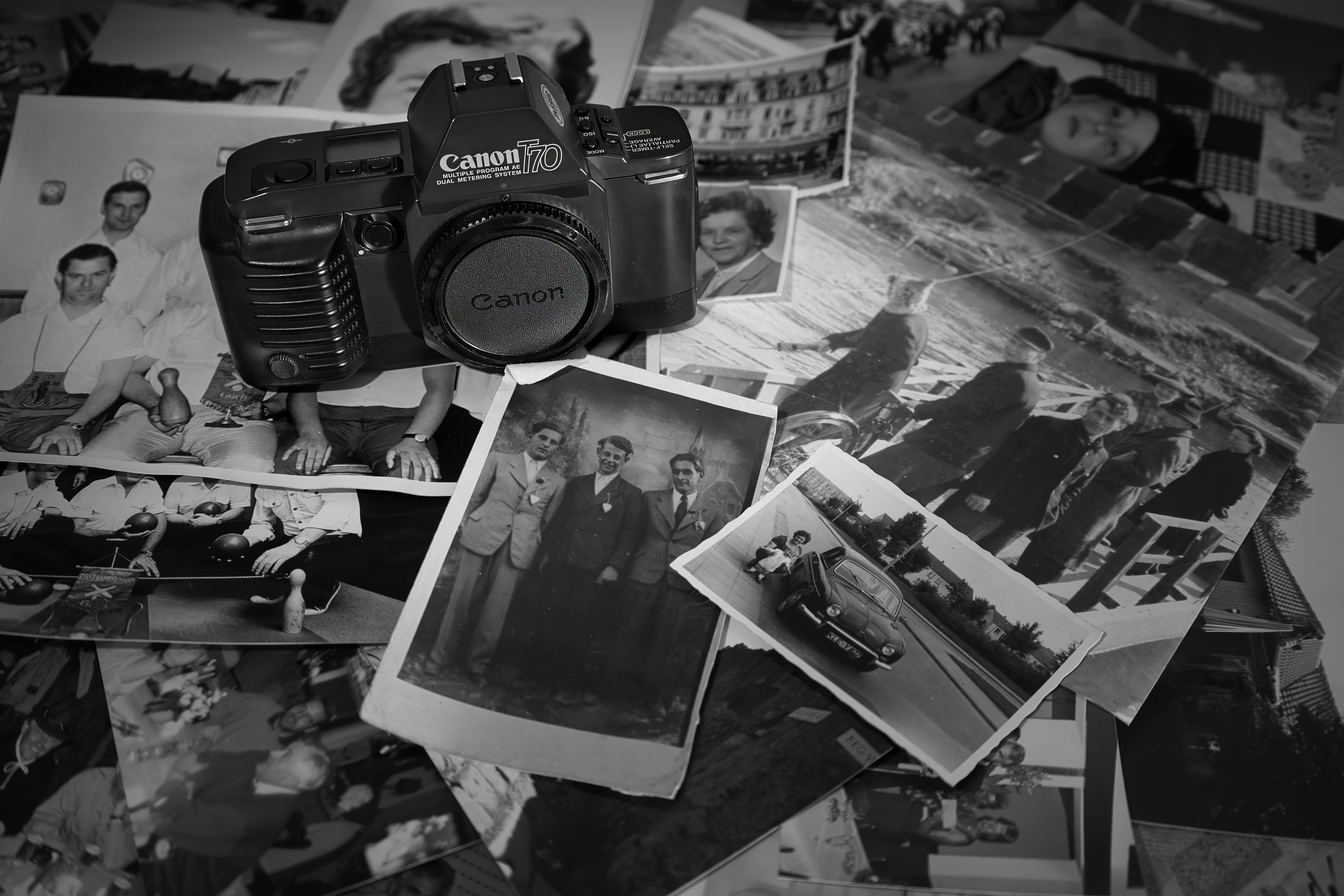
The photographs, letters and recordings that families used to inherit in boxes now sit on servers that charge rent. When the payments stop, the material does not wait indefinitely for someone to come and collect it.
Storage is a subscription, not a vault
Most consumer cloud services offer a small free allowance and sell space above it. A phone that has photographed a family for a decade is almost certainly well past that allowance.
When a card is declined, providers generally move the account into a restricted state, stop new uploads, and eventually begin removing content according to their own published schedule.
None of this is malicious, and all of it is disclosed in terms nobody reads. It is simply what happens when a business is asked to store data it is no longer being paid to store.
Inactivity is treated the same way
Even paid accounts can be affected, because some services also apply inactivity rules and reclaim space from accounts that have not been signed into for an extended period.
A dead person's account is, by definition, inactive. The clock starts running at exactly the moment the family is least able to think about file management.
Timeframes and policies vary widely between companies and change without much notice, which is why waiting to see what happens is a poor strategy.
An export is not the same as access
Most major platforms provide a way to download an archive of an account's contents. Doing that while the account holder is alive, with their knowledge, avoids every access problem later.
The download is usually large and arrives as compressed files with machine-generated names, so it needs somewhere to live and someone who knows what it contains.
An archive nobody can open is only marginally better than no archive, which is why a short written note describing what was exported and where it sits matters.
Copies in more than one place
A single external drive is a single point of failure. Drives fail, houses flood, and the copy is usually discovered to be corrupted at the moment it is needed.
Keeping one copy at home and one elsewhere, whether with a relative or in a separate paid service, covers the ordinary disasters without requiring technical skill.
Choosing what actually matters
Nobody inherits forty thousand photographs meaningfully. Selecting a few hundred that carry the story, and saying who is in them, produces something a family will genuinely use.
That curation is work only the person themselves can do well, which makes it one of the more valuable things to spend an afternoon on while there is still time.
Also by Daniel Krajewski
- The annual review: half an hour, once a yearWills & Estates
- Making a will yourself, and when not toWills & Estates
- When you are both the executor and the familyFamily Conversations
- Phones, laptops and what to do with the devicesDigital Legacy