Digital Legacy
Online memorials and the internet as a place to grieve
Grief has moved substantially online, which has genuine benefits and a set of complications that older forms of mourning did not have.
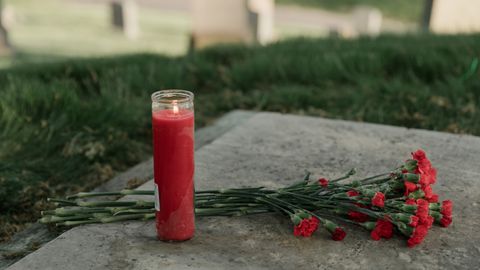
People now grieve publicly online in ways that would have been unimaginable a generation ago — posting to a dead person's profile, marking anniversaries publicly, and maintaining memorial pages that persist indefinitely.
This is a genuine change in mourning practice and it is worth thinking about rather than simply doing.
What works well about it
Geography stops mattering. People who cannot attend a funeral can participate. Diaspora families, distant friends and former colleagues can be present in a way they could not be.
It provides continuing space. Traditional mourning is compressed into a few days and then stops. Online spaces allow ongoing expression at three months, at a year, at ten years.
Many bereaved people find this valuable precisely because ordinary social permission to grieve expires quickly.
It surfaces people you did not know about. Colleagues, friends from a club, people the person helped. Families frequently learn things about someone from what appears after their death.
It preserves. The person's own words, photographs and interactions remain.
It connects the bereaved. Online support communities for specific losses are genuinely effective, particularly for rarer circumstances where nobody locally has been through the same thing.
The complications
Finding out online. People learn of deaths through social media, sometimes before close family have been told.
This is a real and painful problem. A general rule worth observing: do not post about a death until you are confident the immediate family have told everyone who should hear directly.
Where you are the family, telling people in an agreed order and then asking for a delay before anything is posted is reasonable and worth stating explicitly.
Grief hierarchy disputes. Public mourning makes visible who is grieving how much, and generates resentment about people perceived as performing grief they have not earned.
This is a genuine and recurring source of family conflict, and it is largely a new phenomenon.
Unwanted reminders. Anniversary features, memory prompts and birthday notifications arriving unexpectedly. Platforms have improved at this and it still happens.
Trolling and abuse. Memorial pages are targeted, which is as unpleasant as it sounds. Moderation controls and comment restrictions exist and are worth configuring.
Permanence without maintenance. A page continues indefinitely, and eventually nobody is managing it.
Public grief as a substitute. Some people find that posting substitutes for the private processing that grief requires, though the evidence on this is limited and it is more an observation than a finding.
Fundraising pages
Extremely common and worth a specific note.
They are effective, and there are practical points: be clear about what the money is for; be clear who receives it; consider the platform's fees; and be aware that a page raising money for a family rather than a registered charity has different tax and regulatory implications.
Fraudulent memorial fundraising exists. If setting one up, establish it yourself rather than relying on someone offering to do it, and if donating, verify the connection to the family.
Dedicated memorial sites
Services exist specifically for online memorials, some free, some paid, some run by funeral providers.
Points worth checking: what happens if the company ceases trading, whether content can be exported, whether there are ongoing fees, and who controls the page.
The company failing and the memorial disappearing is a real risk, and it has happened.
Keeping your own copy of anything meaningful is sensible.
Practical guidance for families
Decide who manages what. Nominate someone to handle the deceased's accounts and any memorial page, so that decisions are not made by whoever acts first.
Configure the settings. Memorialisation, comment moderation, and who can post.
Download the content before changing anything, since some options restrict access.
Agree what is shared. Photographs of the person, details of the death, and images from the funeral are all things families disagree about, and agreeing in advance prevents conflict.
Consider the children. Where children are involved, what is posted about their parent will be found by them later, sometimes years later. This is worth thinking about.
What to write when someone dies
People agonise about this.
What is generally welcome: a specific memory, an acknowledgement of the family's loss, and simplicity.
What is generally not: making it about yourself, revealing details the family has not shared, speculation about the circumstances, or elaborate public displays where the relationship was distant.
And, importantly: a private message to the bereaved is worth considerably more than a public post. The public post is visible; the private message is what people remember.
For your own accounts
Decide what you want and record it. Memorialised, deleted, or handed to someone.
Configure the legacy settings that exist.
And consider whether there is anything in your accounts you would not want read, because there is a reasonable chance it will be.
Platform policies and available settings change frequently. Check the current options in the services you use.
Also by Margaret Oyelaran
- When you are the last one leftGrief & After
- Losing a partner after a long life togetherGrief & After
- Continuing bonds: what people do with the relationship afterwardsGrief & After
- The letter you leave behindFamily Conversations