Funeral Planning
Donating A Body To A Medical School
Whole body donation supports anatomical teaching and research, but acceptance is never guaranteed, and families need a funded alternative arrangement ready in case a donation is declined.
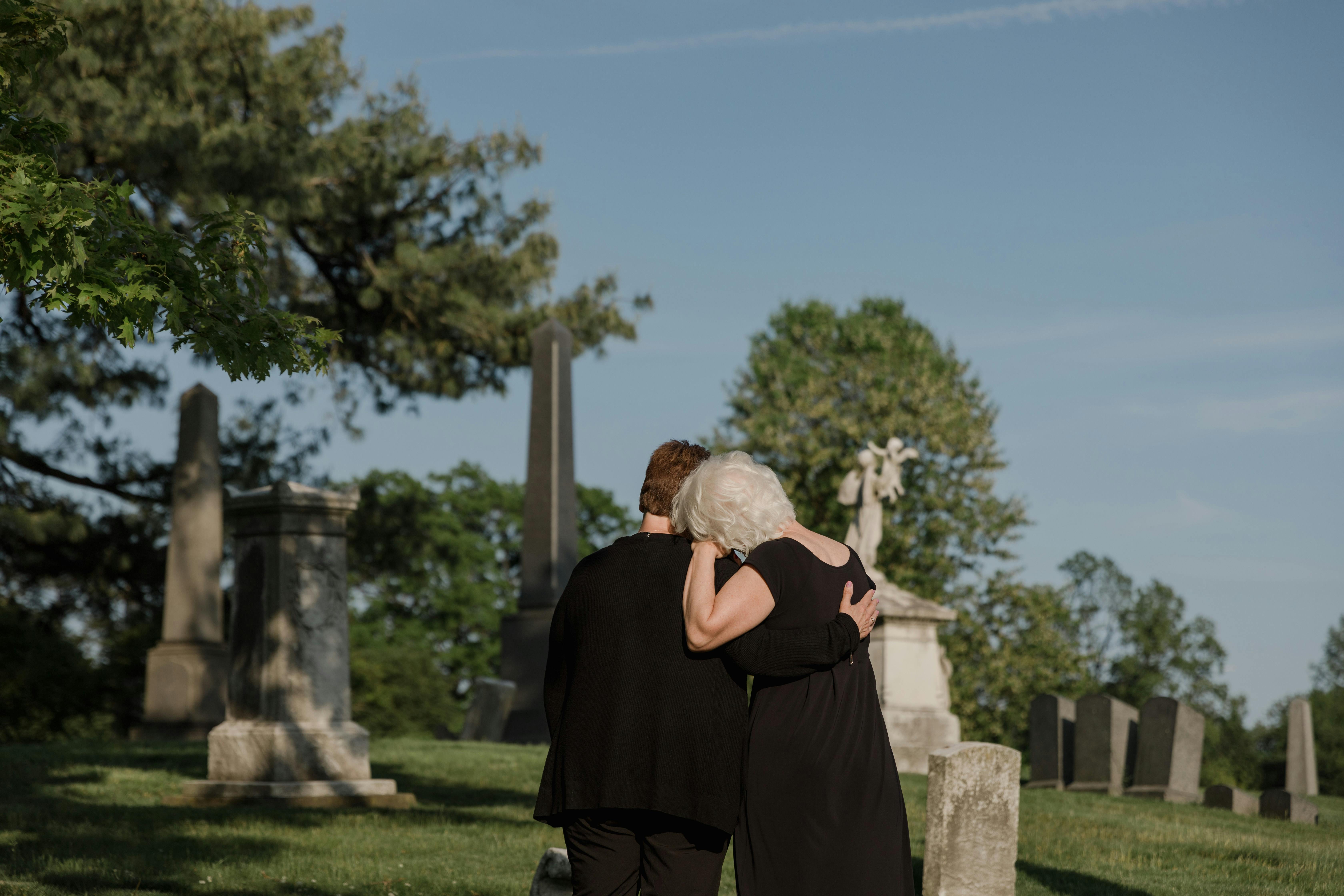
Donating a body to a medical school is a considered choice made by a small number of people each year. It works differently from organ donation and carries a risk families often fail to plan for.
It is separate from organ donation
Organ and tissue donation is arranged through a transplant system and is aimed at treating living patients, usually in the hours immediately after death.
Whole body donation supplies anatomical teaching and research programs, and the two are generally incompatible, since a body from which organs have been recovered is often unsuitable for anatomical use.
Anyone who wishes to pursue donation should therefore decide which route they intend and record it, since registering for one does not arrange the other.
Registration happens in advance
Programs are typically run by individual medical schools and by some private organizations, each with its own paperwork and its own catchment area.
Registration generally involves consent forms completed while the person is alive and competent, and families are usually asked to confirm at the time of death.
Requirements, acceptance criteria and what a program covers vary between institutions and change, so the program's own current terms are the only reliable source.
Acceptance is not guaranteed
Programs decline donations for a range of reasons, including certain infectious conditions, some causes of death, prior autopsy, body size, and simply having sufficient donations at that moment.
The decision is made at the time of death, which is exactly when a family has no capacity to construct an alternative plan.
For that reason a funded backup arrangement is essential, and families who do not have one can find themselves facing an unexpected funeral bill within hours.
What happens afterward
Bodies are typically retained for a period that can run to a year or more, after which remains are usually cremated and either returned to the family or interred by the institution.
Many schools hold a memorial service for donor families, which some find meaningful and which arrives long after the death.
The gap matters, because a family may go many months without any ceremony, and some plan a separate memorial early rather than waiting.
Telling the family clearly
Relatives who learn of the intention only after the death are being asked to consent to something they may find distressing, at the worst possible moment.
Discussing it beforehand, and keeping the paperwork somewhere immediately findable, is what allows the wish to be carried out at all.
Also by Tessa Lindgren
- The first twenty-four hoursFuneral Planning
- Flowers, donations and the small decisionsFuneral Planning
- When there is not enough money for a funeralFuneral Planning
- Memorials, headstones and what to do with ashesFuneral Planning