Funeral Planning
Green Burial And What The Ground Requires
Natural burial removes embalming, hardwood coffins and permanent memorials, and its constraints come from what the ground and the site management can actually accommodate.
Natural burial grounds have grown steadily, and their rules are not arbitrary. Each restriction follows from how a site is designed to work over decades.
The principle is decomposition without interference
These sites aim for a burial that returns the body to the soil with minimal persistent material, so preservatives, treated timbers and metal fittings are generally excluded.
Graves are usually shallower than in a conventional cemetery, because the biological activity that breaks down organic material is concentrated nearer the surface.
Coffins and shrouds are accordingly made from untreated wood, wicker, cardboard or natural fabric, all of which break down within a comparable timeframe.
Memorials are limited by design
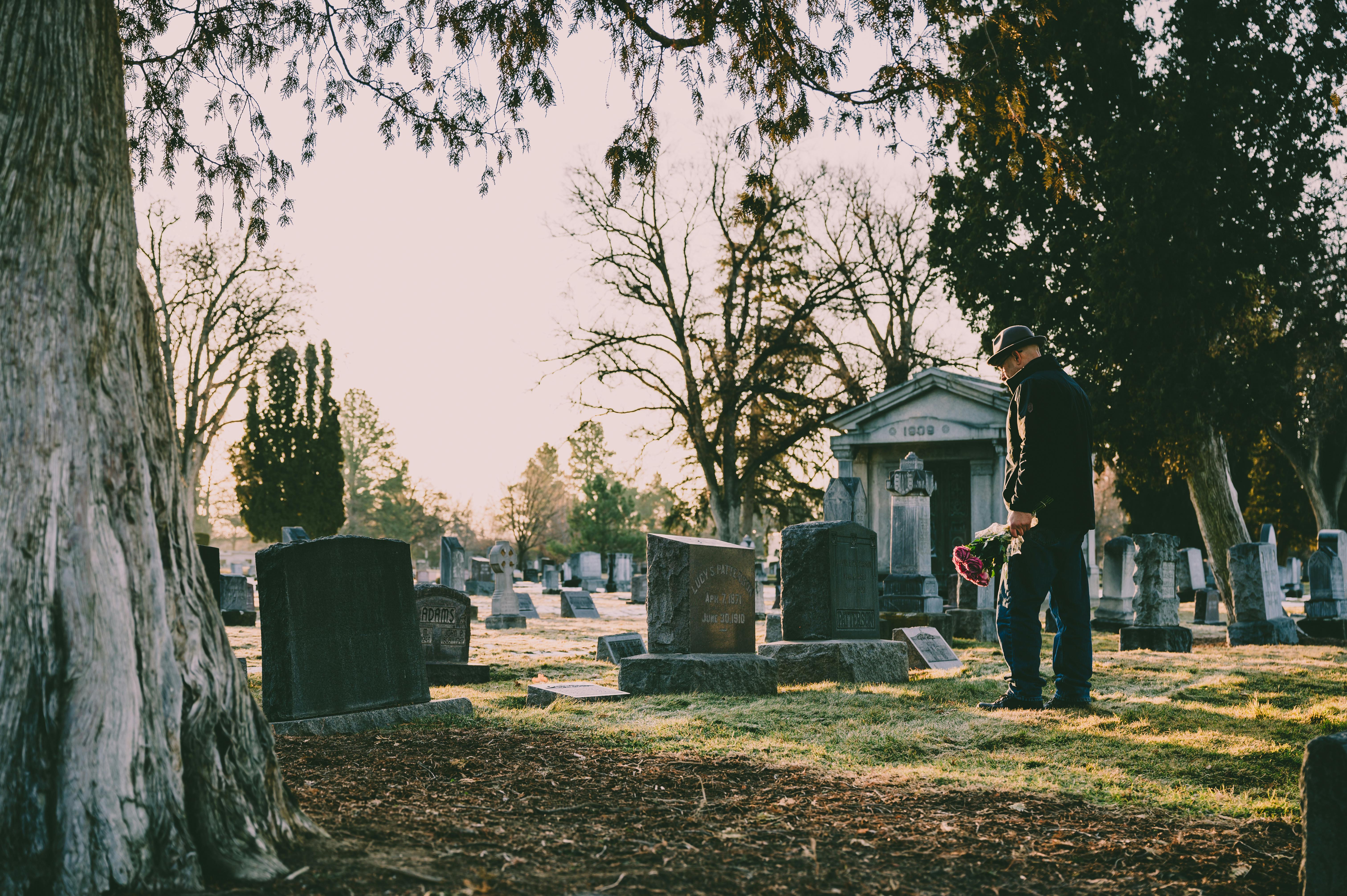
Most natural burial grounds prohibit headstones, kerbs and permanent structures, since the intention is a meadow or woodland rather than a marked cemetery.
Graves are typically recorded by survey and marked discreetly, with a tree or a wildflower area rather than an individual monument.
Families should understand this before committing, because the absence of a place to visit with a name on it matters greatly to some mourners.
Site management determines what is allowed
Planting, flowers and objects left at a grave are usually restricted, since anything non-native or non-degradable interferes with the habitat the site is maintaining.
Mowing regimes mean the ground may look unkempt at certain times of year, which is intentional and can be distressing to a family expecting a tended plot.
Asking to visit the site in different seasons before deciding is the most reliable way to know whether it suits.
Practical and legal constraints still apply
Burial on private land is permitted in some jurisdictions subject to conditions about water sources, depth, records and land registration, and prohibited in others.
It also affects the property, since a future sale must disclose the burial, which can complicate matters for the people inheriting the land.
Dedicated natural burial grounds avoid that problem by holding the land in trust or under a long-term management arrangement, so the site survives changes of ownership.
Newer alternatives are emerging unevenly
Processes such as water-based cremation and controlled composting of human remains have been authorised in some places and not in others, and availability changes.
Regulation of burial, cremation and newer methods varies substantially by jurisdiction and continues to develop, so local authorities and site operators should be asked directly.
Also by Tessa Lindgren
- The first twenty-four hoursFuneral Planning
- Flowers, donations and the small decisionsFuneral Planning
- When there is not enough money for a funeralFuneral Planning
- Memorials, headstones and what to do with ashesFuneral Planning