Grief & After
Grief And Sleep, And Why Nights Are Hardest
Disturbed sleep is one of the most consistent features of early bereavement, driven by physical stress responses and by the loss of the structure another person provided.
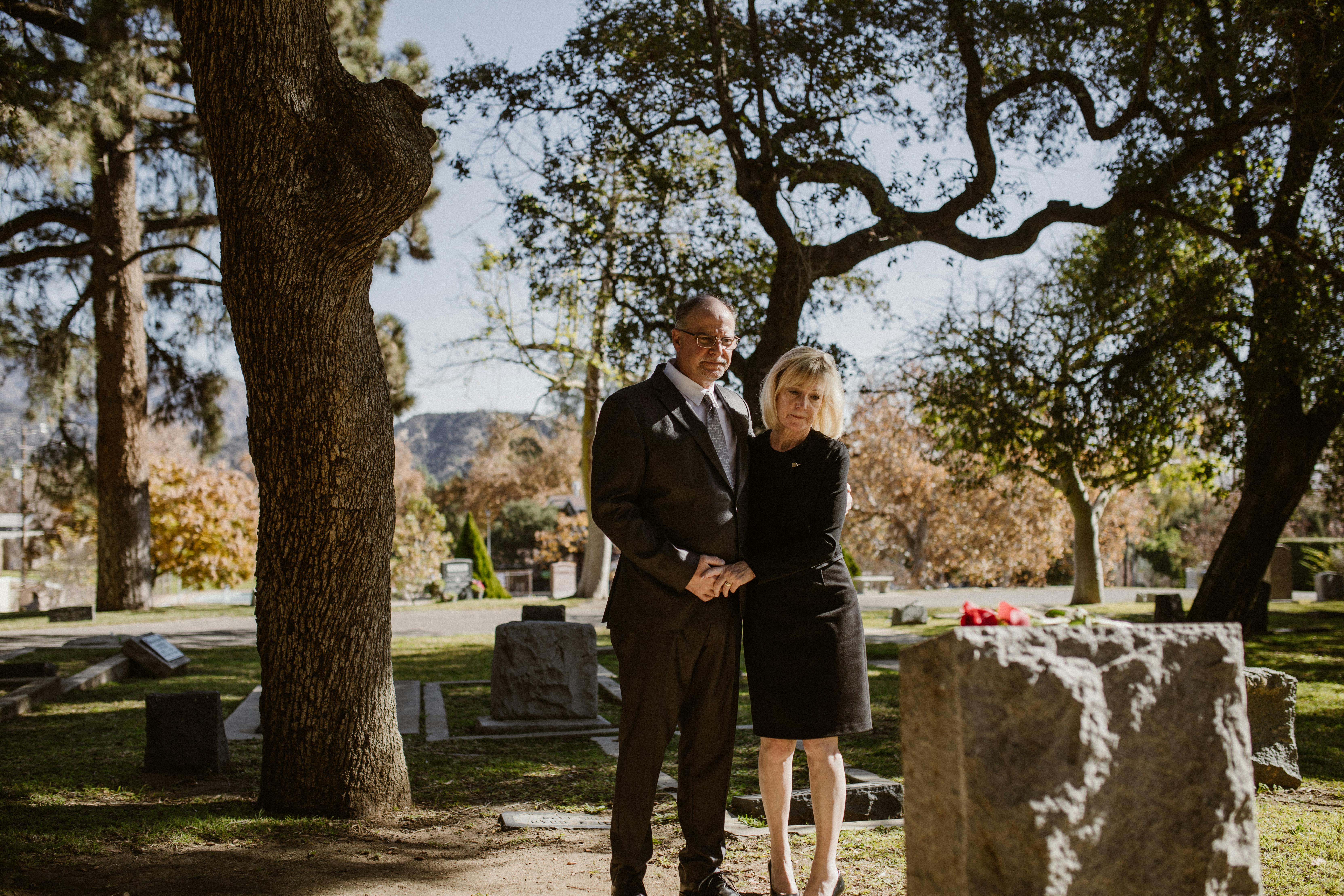
People who have recently lost someone almost universally report that nights are the worst part. There are physiological and practical reasons for that, and knowing them makes the experience less alarming.
The stress response does not observe bedtime
Acute grief activates the body's stress systems, producing the same alertness, raised heart rate and muscular tension that any threat would.
Those systems are designed to keep an organism awake and vigilant. They do not distinguish between a physical danger and the absence of a person.
The result is a body prepared for action at the exact hour it is supposed to power down, which produces the familiar pattern of exhaustion without sleep.
Daytime distraction stops at night
During the day there are tasks, paperwork, visitors and the effort of appearing functional. All of that occupies attention that would otherwise be available to grief.
At night the tasks run out. The mind returns to whatever it has been holding off, often repeatedly, and often at the level of detail people describe as replaying.
This is why early bereavement frequently involves an inverted pattern, with the day spent numb and the night spent fully awake and thinking.
The bed itself is often the problem
For someone who shared a bed for decades, the room is the most concentrated reminder in the house, encountered at the moment defenses are lowest.
Many people sleep elsewhere for a period, on a sofa or in another room. That is a common response rather than a sign that something is going wrong.
Returning happens at different speeds for different people, and there is no schedule that makes it appropriate at one point and delayed at another.
What tends to help and what quietly does not
Regular waking times, daylight in the morning and physical activity during the day support sleep more reliably than anything attempted at bedtime.
Alcohol is the common self-prescription and works against the goal, because it shortens the time to falling asleep and fragments the second half of the night.
Screens in the small hours tend to extend wakefulness rather than pass the time, though there is no particular virtue in lying still and failing to sleep either.
When it warrants clinical attention
Sleep usually improves gradually over months. Insomnia that persists, or that comes with hopelessness or thoughts of self-harm, is a reason to speak to a doctor.
Bereavement is not a medical condition, but sleep loss compounds everything else, and a clinician or counselor can help without pathologizing ordinary grief.
Also by Margaret Oyelaran
- When you are the last one leftGrief & After
- Losing a partner after a long life togetherGrief & After
- Continuing bonds: what people do with the relationship afterwardsGrief & After
- The letter you leave behindFamily Conversations