Grief & After
Grief When Belief Is Uncertain Or Has Changed
Bereavement tests belief in both directions, and people who no longer hold the faith they were raised in often find the available rituals fit awkwardly.
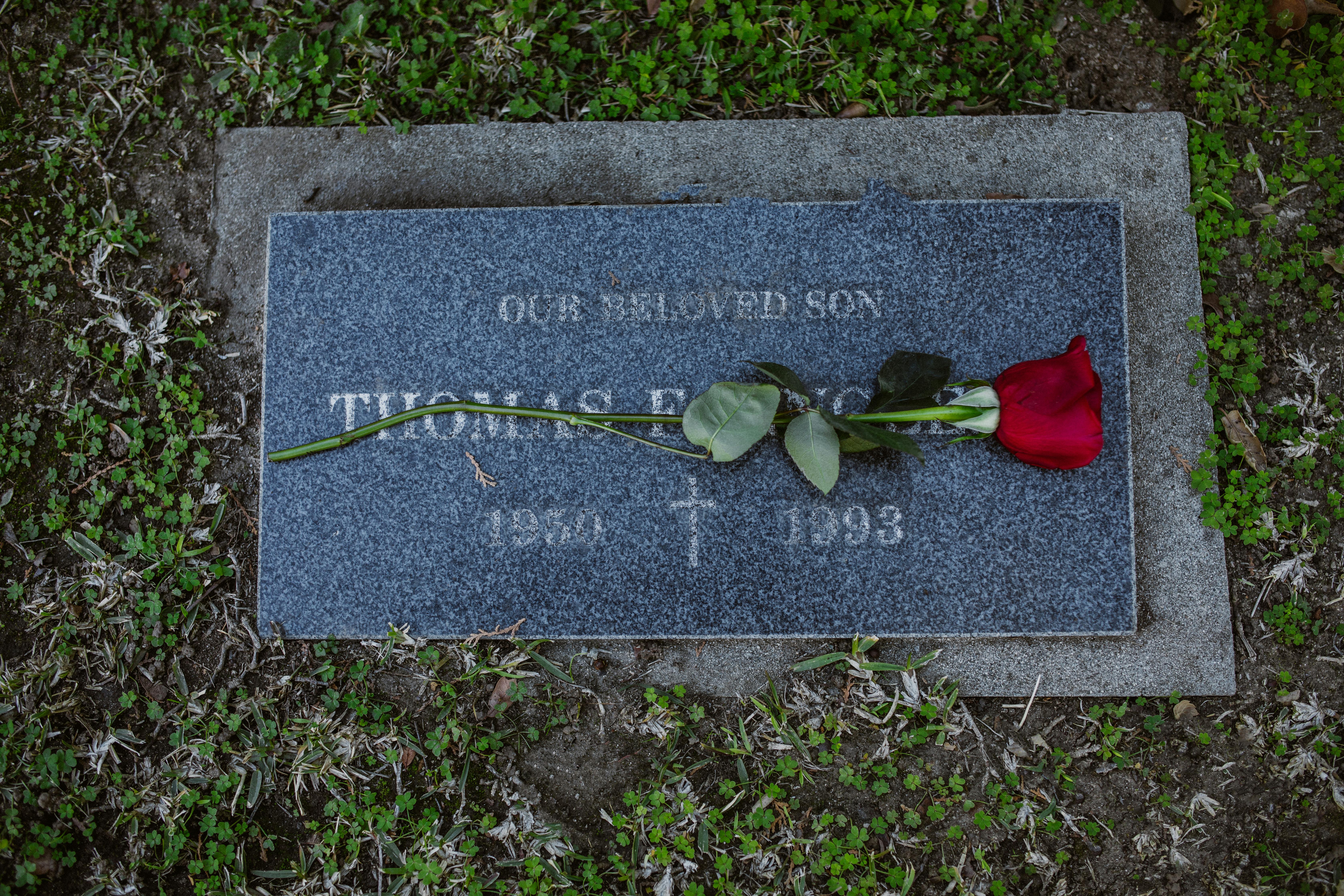
Death is the point at which religious frameworks were designed to be most useful. For people whose relationship to belief is unsettled, that is exactly where the difficulty starts.
Ritual carries weight independent of belief
Funeral traditions provide sequence, words and roles at a moment when nobody knows what to do. Much of that value is structural rather than doctrinal.
People who do not believe frequently find familiar liturgy consoling anyway, because it connects the death to a long line of other deaths handled the same way.
Others find the same words alienating, and experience the service as describing a person they did not recognise. Both reactions are common and neither needs defending.
Bereavement moves belief in both directions
Some people find faith strengthened by a death, and describe it as the thing that made the period survivable. Others find that a loss they consider unjust cannot be reconciled with what they believed.
Both movements are widely reported and neither is a failure of character. Belief is not a fixed possession, and a death is one of the events most likely to shift it.
Where a change happens quietly, it can leave someone participating in rituals they no longer hold to, which is its own kind of isolation.
Family expectation adds pressure
Funerals are arranged by families, and the tradition chosen usually reflects the older generation. A relative who has left the faith may be expected to take part fully.
Refusing outright rarely helps anyone at that moment, and participating without belief is a normal accommodation people make for the sake of others.
Where the deceased person's own wishes are known, they generally settle the question and remove the argument from the family entirely.
Meaning without a framework
People who hold no religious belief still construct continuity, through anniversaries, objects kept in use, a place visited, or a practice carried on in the person's name.
Researchers describe these as continuing bonds, and they appear across cultures regardless of the beliefs attached to them.
Where to take the questions
Chaplains and pastoral teams in hospitals and hospices generally support people of any belief or none, and are used to conversations that do not resolve.
Secular bereavement counselling is also widely available. Either can be approached without committing to a position on what one believes.
Also by Daniel Krajewski
- The annual review: half an hour, once a yearWills & Estates
- Making a will yourself, and when not toWills & Estates
- When you are both the executor and the familyFamily Conversations
- Phones, laptops and what to do with the devicesDigital Legacy