Grief & After
Grieving A Sibling When Attention Sits Elsewhere
Sibling loss removes the person who shared a childhood, yet condolences tend to be directed at parents or a spouse, leaving the surviving sibling oddly unattended.
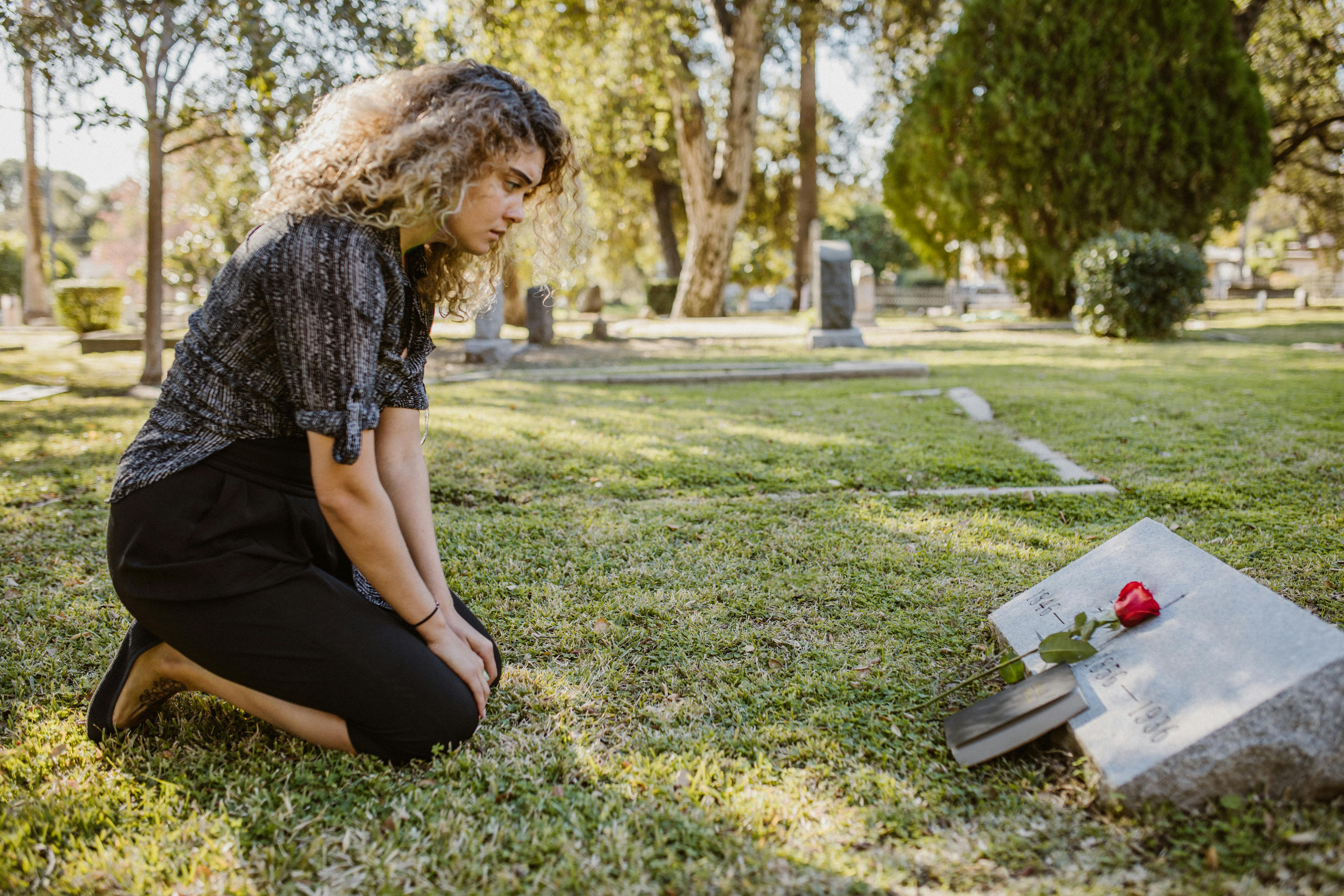
Losing a brother or sister is among the longest relationships a person can lose. It is also one of the least acknowledged, because sympathy is usually directed elsewhere.
The relationship is a shared history
Siblings hold the only other first-hand account of a childhood. They remember the house, the routines and the versions of parents that nobody else witnessed.
When one dies, that record becomes unverifiable. A memory can no longer be checked against anyone, and the sense of a shared past becomes solitary.
This is a specific kind of loss that has little to do with how close the two were in adult life. Distance and infrequent contact do not lessen it.
Condolence flows towards other mourners
At a funeral, attention goes to a widowed partner, to children and to surviving parents. A sibling is often the person asked how the parents are coping.
That role is real, and taking it up is natural. It also means the sibling spends the period supporting others while their own loss goes largely unmentioned.
Researchers describe this pattern as grief that is not fully recognised by those around the mourner, and the lack of acknowledgement makes it harder to carry.
Family roles rearrange without discussion
The death of one sibling redistributes everything the family had informally allocated. The one who visited parents, organised birthdays or managed a crisis is gone.
Those duties settle on whoever is nearest or least able to refuse, and they are assumed rather than agreed, which is how resentment builds between people who are all grieving.
Naming the change explicitly, even once, allows it to be arranged rather than absorbed silently by one person.
Mortality becomes concrete
A sibling's death removes the generational buffer in a way a parent's does not. Someone of the same age, from the same background, has died.
People frequently respond with sudden attention to their own health or affairs, which is a reasonable reaction rather than a morbid one.
Finding acknowledgement elsewhere
Where family attention is committed to others, support groups for bereaved siblings exist in many places, in person and online, and they supply the recognition that is otherwise missing.
A family doctor can point towards local bereavement services. Persistent difficulty functioning after a long period is a reason to ask for help rather than to wait longer.
Also by Daniel Krajewski
- The annual review: half an hour, once a yearWills & Estates
- Making a will yourself, and when not toWills & Estates
- When you are both the executor and the familyFamily Conversations
- Phones, laptops and what to do with the devicesDigital Legacy