Funeral Planning
Home Funerals And What Families Can Do Themselves
Families in many states may care for their own dead to a greater degree than most people realize, though the legal requirements and paperwork differ everywhere and change.
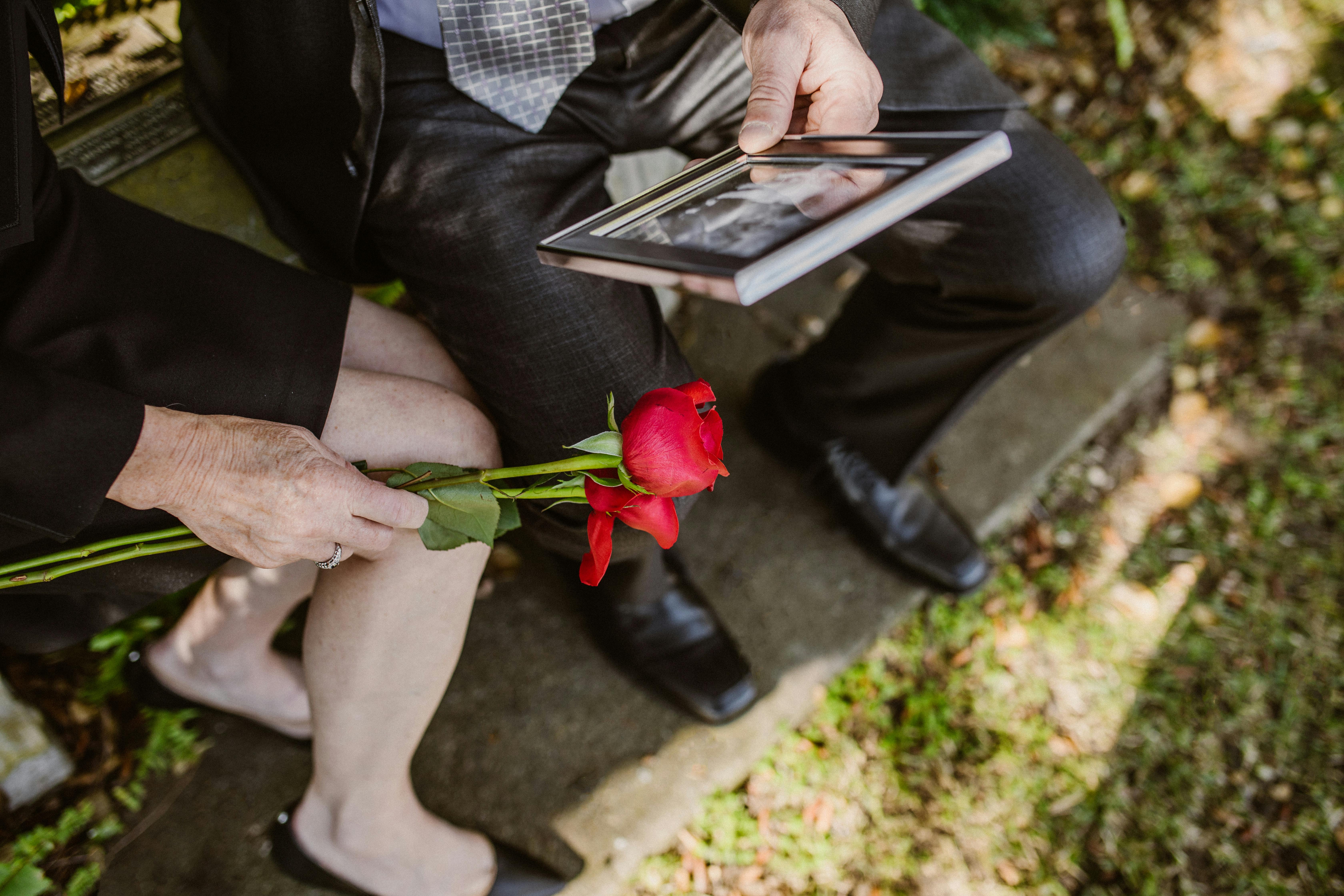
Before the funeral industry existed, families washed and dressed their own dead and held the wake at home. That practice never fully disappeared and has been taken up again by some American families.
What a home funeral involves
In its fullest form the family cares for the body, keeps it at home for a period of visiting, and transports it to the place of burial or cremation themselves.
More commonly, families do part of it, perhaps washing and dressing the body themselves before a funeral director handles the rest.
Preparation is practical rather than mysterious, involving washing, dressing, positioning and cooling, and organizations exist that guide families through it.
Why some families choose it
The stated reason is usually time. Handling the body slowly, at home, gives people hours rather than minutes and often changes how the first days feel.
Cost is a secondary factor, since reducing professional involvement reduces the bill, though transport and required paperwork still carry expense.
For some families it also reflects a religious or cultural practice in which handling the dead is an obligation rather than an option.
The legal picture varies substantially
Whether a family may act without a licensed funeral director, and what permits and filings are required, is determined by state law and differs meaningfully across the country.
A death certificate must be completed and filed, and transporting a body generally requires authorization, but the specific requirements and who may sign vary.
Rules also change, so families considering this should confirm the current position with their state's vital records authority and, where the situation is complex, with a licensed attorney there.
Practical realities to weigh
The work is physically demanding, and bodies are heavy. It generally requires several capable people who have agreed in advance to be present.
Cooling is necessary, and the timeframe available depends on conditions, which is one reason planning ahead matters more here than in a conventional arrangement.
Households with young children or a small home should think about the practicalities honestly, since the body occupies a room for days and everyone living there has to be comfortable with that.
Not everyone should attempt it
Where a death was sudden, traumatic or subject to an investigation, the situation is different and the family's options may be constrained.
Nobody should feel obliged. Choosing full professional handling is not a lesser form of care, and the right arrangement is whichever one the surviving family can actually sustain.
Also by Tessa Lindgren
- The first twenty-four hoursFuneral Planning
- Flowers, donations and the small decisionsFuneral Planning
- When there is not enough money for a funeralFuneral Planning
- Memorials, headstones and what to do with ashesFuneral Planning