Grief & After
How A Child's Grief Changes As They Grow
Children re-encounter an early loss at each stage of development, understanding it differently as they mature, which means grief resurfaces rather than being completed once.
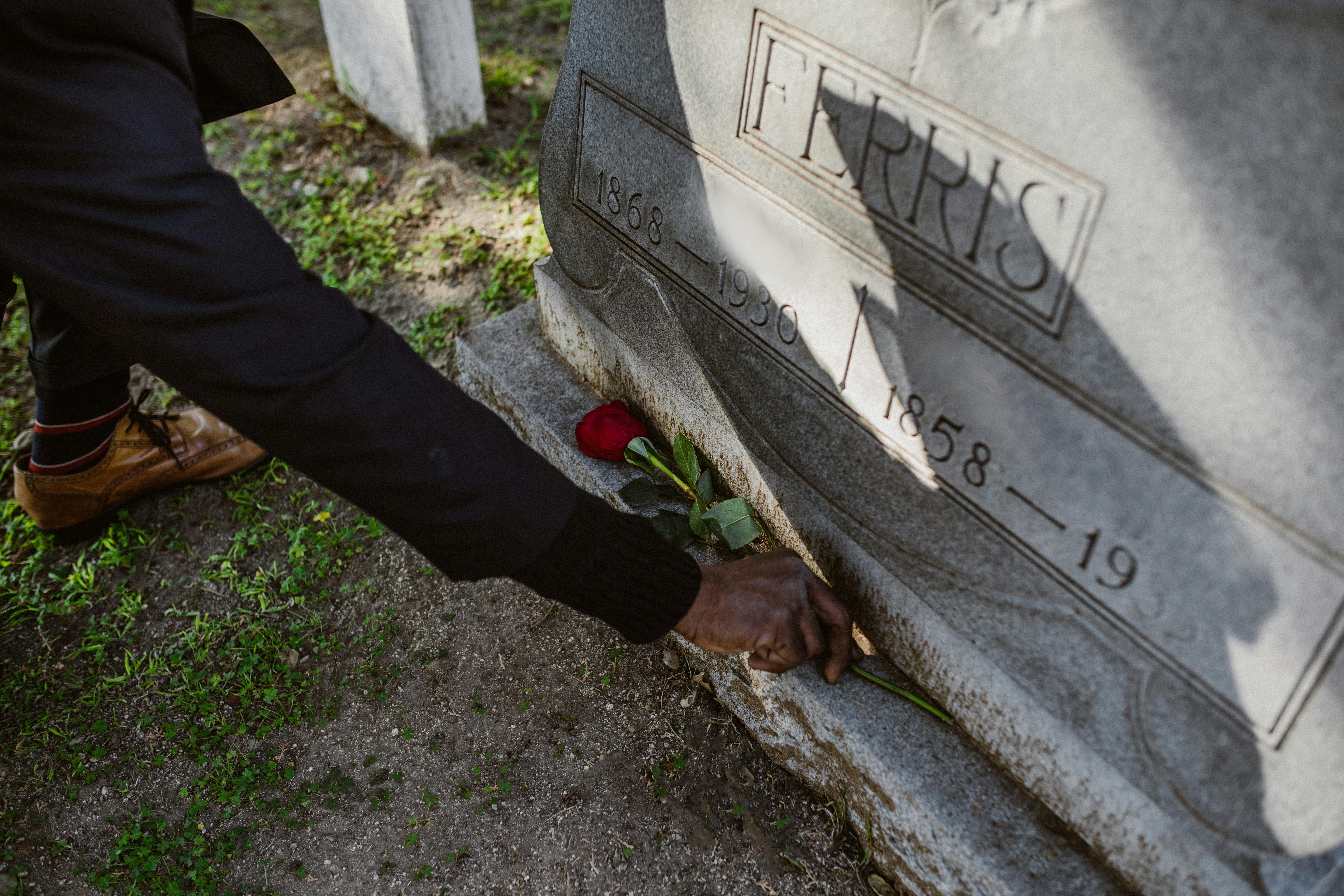
A child who loses a parent or sibling does not grieve once. They return to the loss repeatedly as their capacity to understand it develops.
Understanding of death develops in stages
Very young children often do not grasp that death is permanent or universal, and may ask repeatedly when the person is coming back. The question is literal, not denial.
Around school age, permanence is usually understood, and children begin to worry about causes and about whether it could happen to others they depend on.
Adolescents can think abstractly about mortality and meaning, which opens the loss up again in a way that was not available to them earlier.
Grief resurfaces at each new stage
A child of five who seemed to cope may grieve heavily at twelve, having only then understood what was lost. Adults sometimes read this as a new problem rather than a continuation.
Milestones reopen it particularly clearly. Starting secondary school, leaving home, a wedding or the birth of a first child all make the absence newly specific.
Reaching the age at which a parent died is a well-recognised point of difficulty for adults who were bereaved as children.
Children grieve in short bursts
Younger children typically move between distress and ordinary play within minutes. The play is not evidence that the grief is superficial; it is how they regulate it.
Adults who expect sustained visible sadness may conclude that a child is unaffected, and stop offering opportunities to talk about the person.
Keeping the person present in ordinary conversation, without ceremony, tends to give children the openings they need at the moments they can use them.
Information gaps get filled with worse things
Children who are given partial explanations construct their own, and those versions frequently include being responsible for what happened.
Plain, age-appropriate language about what happened and why, repeated as they get older and can absorb more, prevents most of that.
Euphemisms cause particular trouble with younger children, who take language literally. Saying that someone was lost, or went to sleep, can create fears that attach to ordinary events like bedtime.
When to involve someone outside the family
Sustained changes in sleep, school performance, appetite or withdrawal from friends over a long period are reasons to seek help rather than to wait.
School counsellors, family doctors and childhood bereavement services exist in most places and are used to these questions. Asking early is preferable to watching a while longer.
Also by Daniel Krajewski
- The annual review: half an hour, once a yearWills & Estates
- Making a will yourself, and when not toWills & Estates
- When you are both the executor and the familyFamily Conversations
- Phones, laptops and what to do with the devicesDigital Legacy