Grief & After
Losing A Parent As An Adult Child
The most common bereavement in adult life is also the least acknowledged, treated as expected and ordinary while quietly reordering a person's sense of their own position.
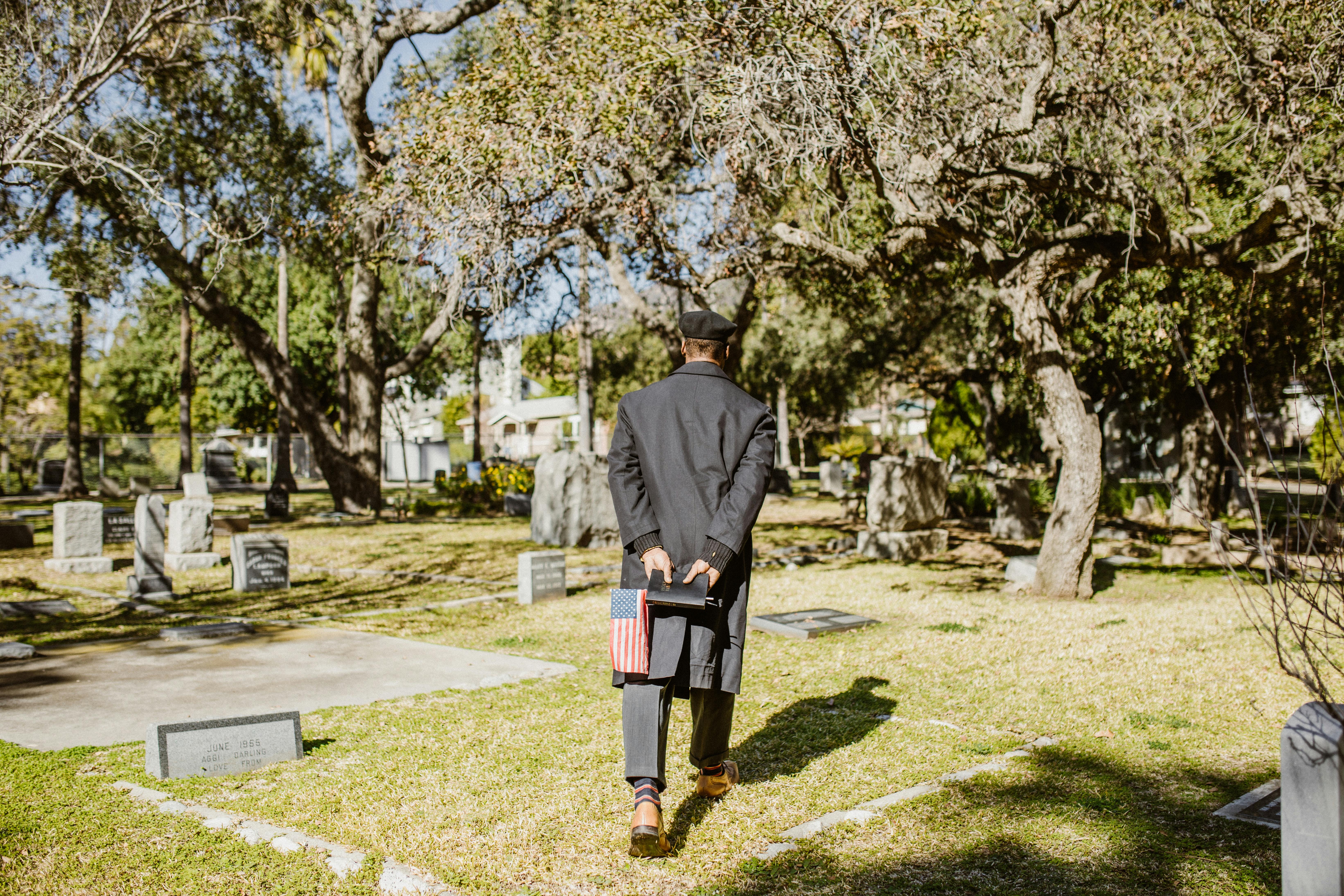
Losing a parent in middle age is the most widely shared bereavement there is, and the one most often met with the assumption that it was expected and therefore manageable.
Expected does not mean prepared
Knowing a death is likely arranges the practical side and does very little for the emotional one. Anticipation and experience turn out to be different things.
Where there has been a long illness, the grief often began years earlier, so the death arrives on top of exhaustion rather than at the start of it.
People are then surprised by their own reaction, having assumed that the extended warning would have used up most of the feeling in advance.
The generational shift
Losing a second parent removes the layer of family that stood between a person and mortality, which reliably produces a change in how people think about their own age.
It also ends a particular kind of being known. Nobody else remembers a person at four, and that record disappears with the last parent who held it.
Adult children frequently describe feeling unexpectedly young in the weeks afterward, which reflects the loss of a role rather than any failure of composure.
Grief overlaps with an administrative job
Adult children are usually the executors, the ones clearing the house and dealing with institutions, so the earliest weeks are spent on paperwork.
That work can be steadying, and it can also postpone grief until the tasks run out, which is one reason the hardest period often begins several months later.
Siblings frequently divide unevenly, with one person carrying most of it, and the resentment that produces belongs to the loss as much as to the logistics.
Old family patterns reassert themselves
Siblings tend to return to childhood roles under stress, resuming positions they abandoned decades ago as soon as they are in the same house.
Without the parent who mediated, disagreements that were previously absorbed now have nowhere to go, which is why estrangements sometimes begin here.
Where support belongs
Because the loss is treated as ordinary, people frequently return to work quickly and mention it to nobody, which is a common route into a much longer struggle.
A counselor is a reasonable resource for anyone finding that months later they are functioning but not recovering, and asking does not require the loss to have been unusual.
Also by Margaret Oyelaran
- When you are the last one leftGrief & After
- Losing a partner after a long life togetherGrief & After
- Continuing bonds: what people do with the relationship afterwardsGrief & After
- The letter you leave behindFamily Conversations