Grief & After
The Things People Say That Land Badly
Well-meaning condolences often fail for structural reasons, usually because they attempt to resolve a loss rather than acknowledge it, and understanding the pattern helps on both sides.
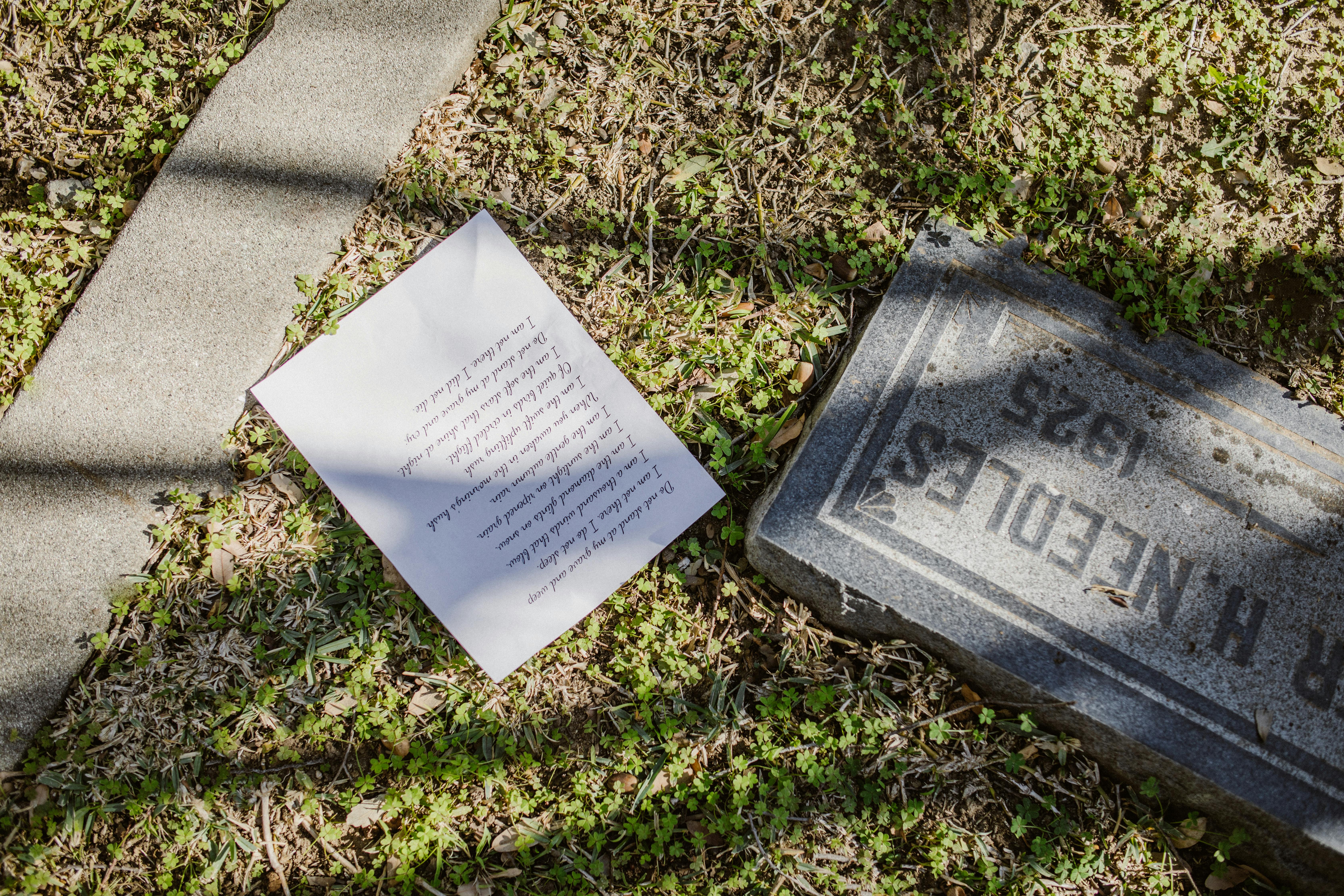
Almost everyone who has been bereaved can list the remarks that stung, and almost everyone who said them meant well. The failures follow recognizable patterns worth naming.
Consolation that argues with the loss
Phrases suggesting a death was for the best, or that a long life should be a comfort, are attempts to reduce pain by reframing the event.
They land badly because they implicitly dispute the mourner's reaction, telling them the feeling is larger than the circumstances warrant.
The speaker is usually trying to help. What arrives is a correction, and the mourner is left defending the legitimacy of their own grief.
The instinct to fix
People are uncomfortable in the presence of pain they cannot relieve, and the discomfort produces advice, silver linings and suggestions about what should be done next.
Grief is not a problem with a solution, so advice has nothing to attach to. It tends to communicate that the listener wants the conversation to move on.
Simple acknowledgment does more. Saying that something is terrible, and that the speaker is sorry, asks nothing of the mourner and does not require an answer.
Comparison and redirection
Responding with one's own loss is meant as solidarity and often functions as a change of subject, moving the attention to the speaker.
Comparative statements are worse, since ranking losses invites the mourner to justify their position rather than simply be heard.
A brief mention of shared experience can help when it stays brief and returns the floor promptly to the person who is grieving.
The open offer that never lands
Asking someone to say if they need anything transfers the work to the person least able to do it, requiring them to identify a need and then ask.
Specific offers avoid that, because they can be accepted or declined in one word rather than requiring organization.
Turning up with food, taking the children for an afternoon, or handling one piece of paperwork are all things that happen without needing to be requested.
What mourners can do with the misfires
Most clumsy remarks come from people who are present and trying, which is worth more over months than an elegant sentence from someone who then disappears.
Deciding not to carry every awkward comment is a practical kindness to oneself, though it is entirely reasonable to see less of someone whose company costs energy.
Also by Margaret Oyelaran
- When you are the last one leftGrief & After
- Losing a partner after a long life togetherGrief & After
- Continuing bonds: what people do with the relationship afterwardsGrief & After
- The letter you leave behindFamily Conversations