Grief & After
Triggers, And Grief That Arrives Without Warning
Sudden waves of grief set off by a smell, a song or a stranger's walk are ordinary rather than a relapse, and they follow how memory is stored rather than how mourning progresses.
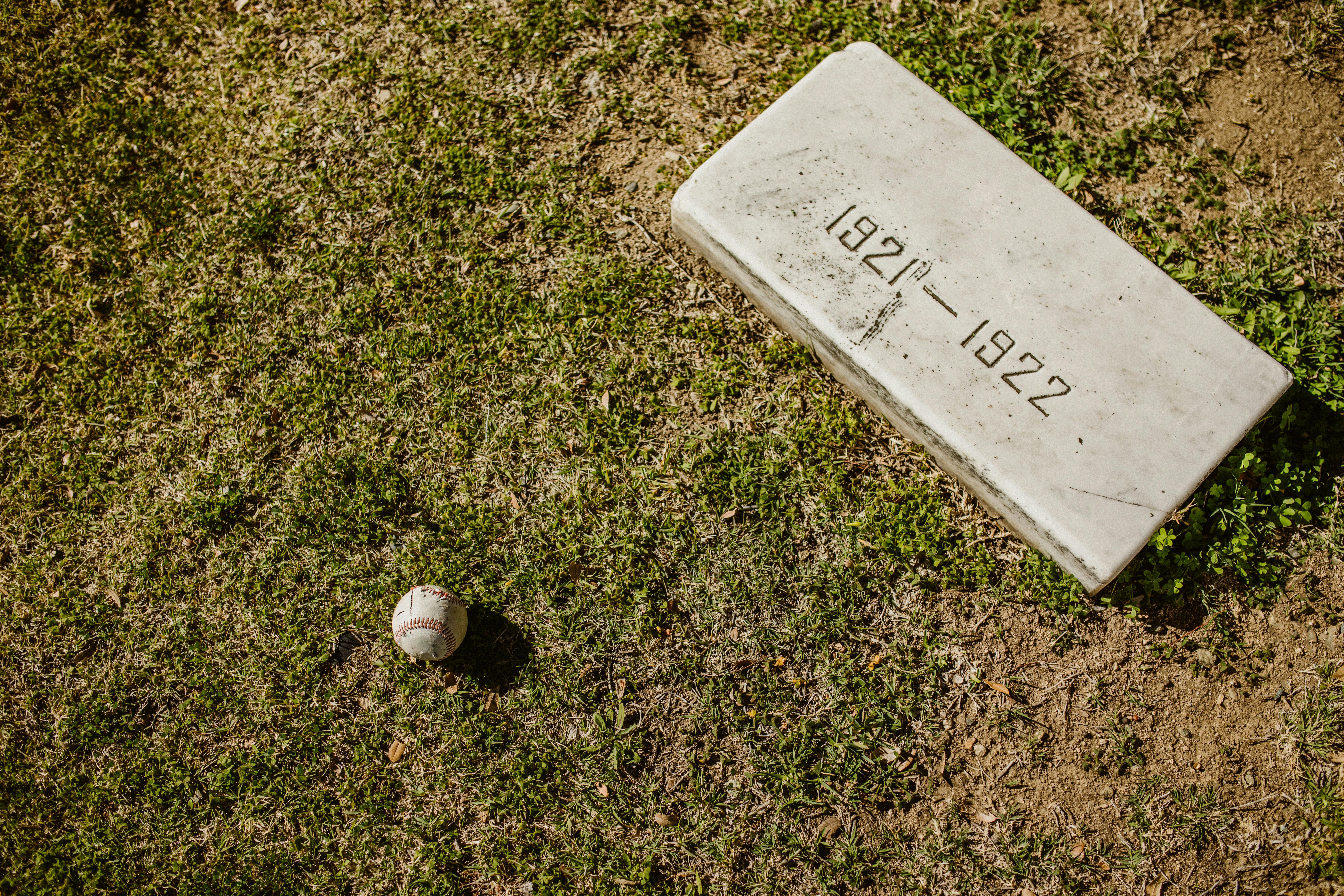
Months after a death, people are frequently ambushed in a supermarket aisle or a parking lot by a wave of grief as strong as anything in the first week. The mechanism behind that is well understood.
Memory is stored with its context
Experiences are encoded along with the sensory surroundings in which they happened, which is why an unrelated cue can retrieve a whole scene rather than a fact.
Smell is the most direct route, because the pathway that processes it is closely connected to the regions handling memory and emotion.
The retrieval happens before any conscious thought, which is why the emotional response often arrives first and the recognition of what caused it arrives afterward.
Why it feels like going backward
People expect grief to decline steadily, so an intense episode at eight months reads as evidence that nothing has improved.
What has usually changed is frequency rather than intensity. The waves are further apart, but each one can still be as strong as the earlier ones.
Understanding that pattern removes a second layer of distress, since much of the difficulty in these moments comes from believing they should not be happening.
The common triggers are not the obvious ones
Anniversaries and birthdays are anticipated, and anticipated dates are often easier than expected because people prepare for them.
The unguarded ones do the damage: a voice in a queue, a coat in a crowd, a handwriting sample on an old envelope, a recorded greeting nobody deleted.
Bureaucratic mail is a frequent and underrated trigger, since institutions continue writing to the dead for months in cheerfully routine language.
Living with them rather than avoiding them
Systematic avoidance of reminders tends to shrink the world and, over time, is associated with a harder course rather than an easier one.
Most people find that specific triggers lose force through repeated encounter, though the timescale differs enormously between individuals.
Deciding in advance what to do when one arrives in public, whether that is stepping outside or simply continuing, restores a measure of control.
When to mention it to someone
Episodes that are becoming more frequent, or that leave a person unable to function for days, are worth raising with a doctor or counselor.
For most people they simply become less frequent over a long period, and needing help with them is neither unusual nor a sign that the grief has gone wrong.
Also by Margaret Oyelaran
- When you are the last one leftGrief & After
- Losing a partner after a long life togetherGrief & After
- Continuing bonds: what people do with the relationship afterwardsGrief & After
- The letter you leave behindFamily Conversations