Funeral Planning
Viewing The Body, And What Embalming Is For
Whether to see someone after death is a decision with no right answer, and understanding what preparation involves helps families choose rather than default.
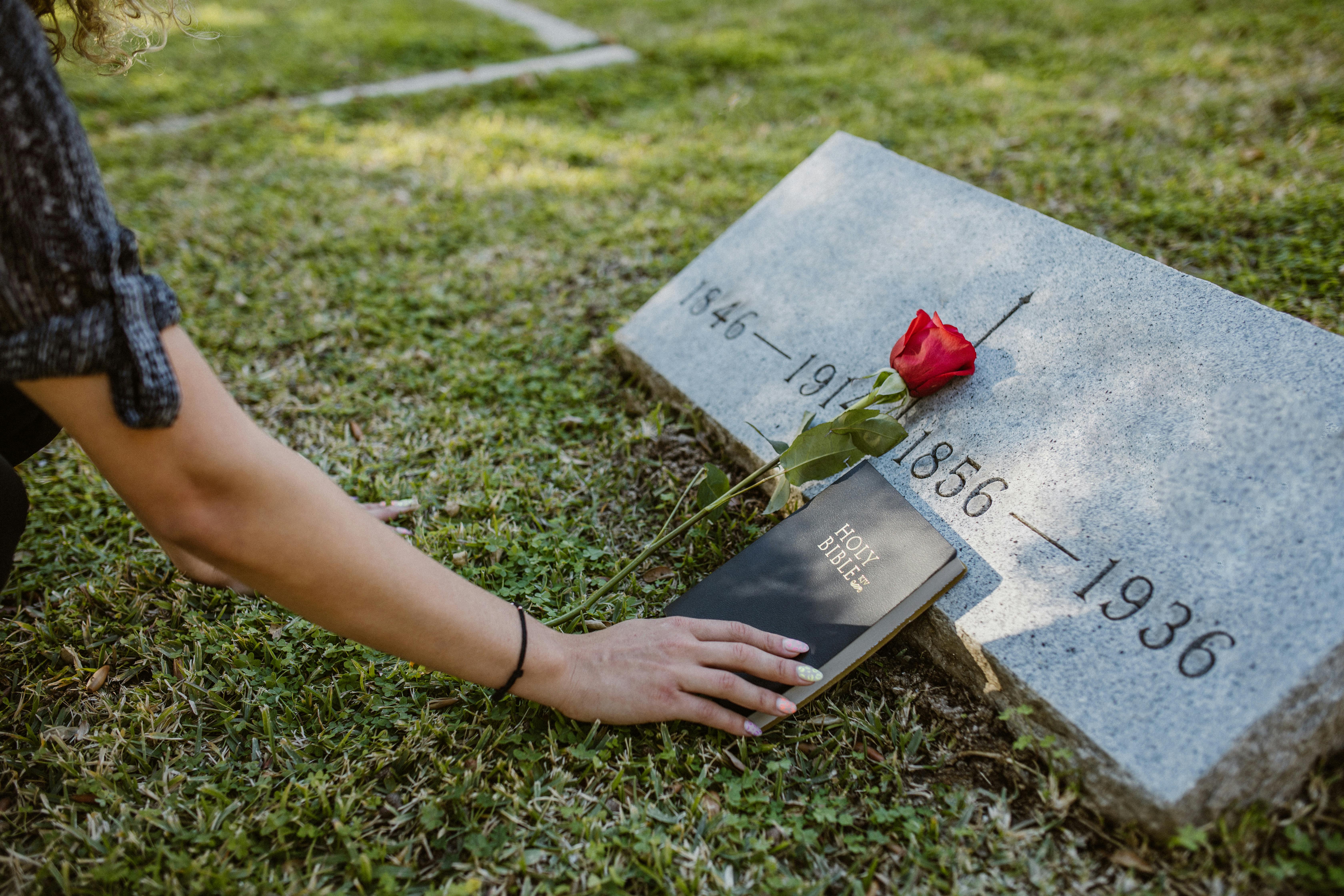
Families are asked early whether they wish to see the body. Most have never considered the question and answer under pressure, which is avoidable.
What preparation actually does
Embalming replaces blood with a preservative solution, slowing decomposition and restoring some of the appearance of the face and hands.
It is done to allow a viewing, to permit a delay before the funeral, or where a body must be transported over a distance, particularly across borders.
It is not required for an ordinary funeral in most places, and refrigeration alone is sufficient where the interval is short. Providers should say clearly which applies.
Seeing someone helps some people and not others
Many mourners find that seeing the body confirms the reality of the death in a way nothing else does, particularly after a sudden loss or a death that happened elsewhere.
Others find the memory intrusive afterwards and would rather hold the image of the person as they were. Both responses are common and neither is the correct one.
The decision is individual rather than familial, and relatives who want opposite things can each do what suits them without any need to agree.
Preparing people for what they will see
Funeral staff can describe in advance how the person looks, which matters after a long illness or where injury was involved.
The stillness and the temperature of the room are the details people report as unexpected. Knowing beforehand makes the experience considerably less shocking.
Children can attend, and often manage it well when told plainly what to expect and given a genuine choice about whether to go in.
Where viewing may not be possible
After certain deaths, or where a coroner's process is under way, a viewing may be restricted or possible only through a screen.
Staff will usually offer alternatives, such as spending time in the same room without seeing the face, or holding a hand, which many families find sufficient.
Where a death occurred abroad or the body has travelled a long distance, viewing may also be limited by the condition of the person, and the funeral director should say so plainly.
Deciding it in advance
Recording whether embalming is wanted, and whether a viewing should be offered, removes a decision from a day when nobody wants to be making decisions.
Practice, regulation and terminology around preparation of a body vary by country and change over time, so the specific provider's procedures should be asked about directly.
Also by Tessa Lindgren
- The first twenty-four hoursFuneral Planning
- Flowers, donations and the small decisionsFuneral Planning
- When there is not enough money for a funeralFuneral Planning
- Memorials, headstones and what to do with ashesFuneral Planning