Grief & After
Clearing the house
Sorting through someone’s possessions is among the hardest tasks in bereavement, and it is frequently done too quickly, by the wrong people, in the wrong order.
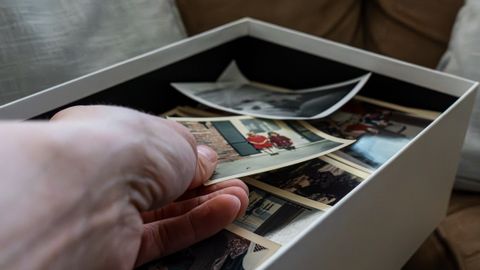
At some point the house has to be dealt with. It is physically exhausting, emotionally brutal, and a common source of lasting family conflict.
Do not rush
The single most useful piece of advice.
Unless there is genuine pressure — a rented property with notice to give, a care home charging fees, an estate that needs the property sold — there is generally more time than it feels like.
Decisions made in the first weeks are frequently regretted. People throw away things they later want desperately, and keep things they later find burdensome.
Where there is time pressure, a reasonable compromise is to move everything into storage and sort it later. Storage costs are considerably less than the cost of a decision you cannot undo.
Before anyone takes anything
Agree a process, in advance, with everyone who has a claim.
The single act that causes the most lasting damage is one family member clearing the house before the others arrive. Even where nothing valuable is involved, the sense of having been excluded from a final act persists for decades.
A workable process:
Nothing leaves until everyone has been through it, or has had the opportunity.
Anyone unable to attend nominates someone or provides a list.
Photograph rooms before disturbing them, which people find valuable later and which resolves arguments about what was there.
Each person lists a small number of items they particularly want, and conflicts are resolved by discussion, by taking turns, or by drawing lots.
Check the will first, since specific items may be left to specific people.
The order that works
First: documents and anything financially significant. Papers, deeds, certificates, policies, jewellery, anything that might be valuable.
Do this carefully. Money is genuinely found in books, in pockets, in tins. Envelopes containing cash and documents turn up in unlikely places.
Check every book by fanning the pages, every pocket, every drawer, under mattresses and carpets. Older people in particular hid things.
Second: the emotionally significant. Photographs, letters, personal items.
Photographs are the thing people most regret losing. Set them aside and deal with them later, without deciding anything.
Third: things others may want. Furniture, kitchen items, clothing, books.
Last: the rest. Disposal, donation, sale.
Practical points
Do not do it alone if you can avoid it. Both for the physical work and because someone else provides perspective.
Do not do it all at once. Several short sessions are better than one long one. It is more tiring than it appears.
Take breaks and eat.
Have a holding box for anything you cannot decide about. Revisit it in six months.
Be careful with house clearance companies. They are useful and some have removed items of real value. Go through everything first, or get a valuation.
Get a valuation before disposing of anything that might be worth something — jewellery, watches, art, collections, older furniture. Charity shops receive valuable items regularly.
Check for anything sensitive — documents with financial details, which should be destroyed rather than discarded, and computers and phones, which should be wiped or destroyed after retrieving the contents.
The clothes
Frequently the hardest part, because of smell and because of the physical association.
Common approaches: keep one or two items; have something made from a garment, which people report as valuable; donate the rest to a charity the person supported.
There is no obligation to do it quickly. Wardrobes remain untouched for years in many houses and that is permissible.
What people wish they had kept
Consistently reported:
Handwriting. A shopping list, a note, a card. People discard these as worthless and later want them enormously.
Recordings of the voice. Voicemail messages, videos.
Photographs, including the unremarkable ones.
Everyday objects rather than valuable ones. The mug, the reading glasses, the tool with a worn handle.
Recipes in their own writing.
Something with the smell, briefly, though this fades.
If you take nothing else: keep something they wrote.
What people wish they had not kept
Furniture that does not fit their house and that they feel unable to dispose of.
Boxes in a loft, unopened for twenty years, that become a burden and eventually a task for someone else.
Complete sets of things kept out of obligation.
It is worth saying explicitly: keeping something out of guilt does not honour anyone. Photographing an object and letting it go is a legitimate choice, and people who do it generally report relief.
If the house was hoarded or in poor condition
A particular and under-discussed situation, and more common than people admit.
Specialist clearance services exist. The task may involve genuine health hazards and should not be undertaken without protection.
There is frequently shame attached, and it is worth saying that hoarding is a recognised condition rather than a moral failing, and that the family did not cause it.
Afterwards
Many people describe the final closing of the door as a distinct and severe moment of grief, separate from the death.
Plan for it. Do not be alone afterwards, and do not schedule anything demanding.
Obtain valuations before disposing of potentially valuable items. Where the estate is subject to probate, the executor has duties regarding the estate's assets — check before distributing possessions.
Also by Margaret Oyelaran
- When you are the last one leftGrief & After
- Losing a partner after a long life togetherGrief & After
- Continuing bonds: what people do with the relationship afterwardsGrief & After
- The letter you leave behindFamily Conversations